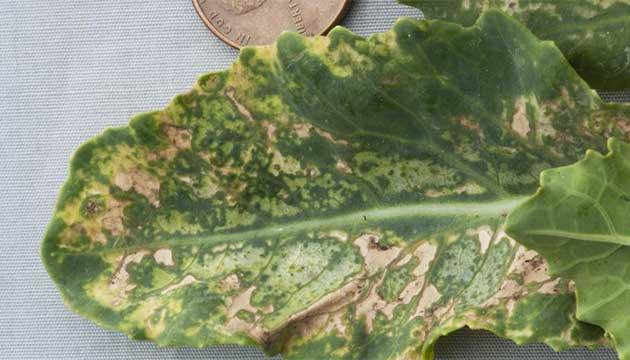
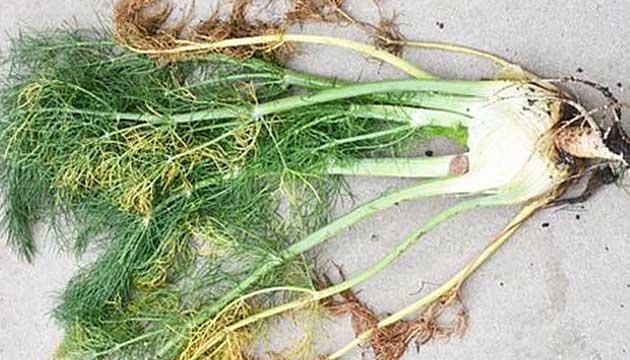
Pink Root
(Phoma terrestris)
Pink Root has a large, wide-reaching impact on the health and bulb size of onion crops. Without proper treatment, it can be a pain to eradicate, often surviving in the soil, diseased roots, and debris of previous crops for several years.

White Rot
(Sclerotium cepivorum)
White Rot is widely regarded as one of the most severe onion diseases, damaging roots, causing foliage to yellow and die, and stunting plant growth. If left untreated, it can persist in the soil for up to 25 years.

Damping Off
(Multiple Pathogens)
Damping Off is typically caused by one or a combination of Fusarium Fungi, Pythium or Rhizoctonia, resulting in poor stands, wilting and eventual death of emerged seedlings, as well as discolored roots and crowns.

Fusarium
(Fusarium Oxysporum)
Fusarium is a soil-borne pathogen that causes dieback of foliage, a brown discoloration of the bulb, and dry rot by infecting the onion root and basal plate area. Surviving in the soil for years on crop residue.